2/23/2011

End the Veneer

Jason Locy and Tim Willard Challenge Us to Live Authentically as We Engage Culture


In their plenary talk and breakout session at this year’s Jubilee Conference, Jason Locy and Tim Willard spoke about a small lumber mill at which the owners take
hundred-year-old barn timber and restore it, revealing beautiful pieces of wood for use in new construction as flooring. The motto of the business is, “We don’t offer perfection but, rather, the beauty of imperfection.” The dings and bruises, when restored, provide character that beautifies the rooms in which they are laid.


This antique wood is different from the stuff you’ll find in the laminate flooring section of Home Depot. That wood is fake - it has a veneer. As Locy explained, “Veneer is a thin coating applied over a surface in order to hide an inferior material; it gives the finished good the appearance of something it is not. When applied to a less-expensive piece of wood (or composite), veneer tricks the eye into thinking the piece is of higher quality.”
A sad result of the Fall is that we all live under a veneer.  Instead of living fully as who we are made to be, we coat ourselves and hide behind this veneer, making it difficult to live as we should.


We are trained to live in a veneer through what Locy and Willard called the “Three Languages of Culture.” Celebrity teaches us to live vicariously through others’ more glamorous lives. Consumption teaches us to buy stuff in order to create a fake image of who we want other people to see us as. Technology (progress) continually creates new options to place space between our real selves and the people around us. A downside to Facebook, Twitter, and blogging is that quantity often wins over quality and our identities are too-often relegated to a screen of perceptions. A Facebook status can often be a simple and not-too-deep statement of who we are and what we want out of life, or a marketing veneer to boost our image in the eyes of others. Because of technology, consumerism, and celebrity, “we can be anybody and nobody at the same time.”


We must strip away the veneer to reveal something of true and lasting beauty.


The reason we put on a veneer is because there is something relational that is missing in our lives. The antidote of veneer, therefore, is love, relationships, and abiding in Christ.


We need to be with people, not hiding behind veneers of living vicariously through celebrity, of the faux images of ourselves that are accessed by what we consume, and of hiding behind technological facades.


Would we rather live under a veneer (a faked perfection, hiding the inferior product that lies underneath), or as real wood, with all its dings (all the hardships and failings and frustrations and scars of life) that make each of us unique?


“Our un-veneered lives should speak triumphantly, testifying that there is no need to hide true selves in order to gain acceptance.”

Jason Locy and Tim Willard’s book, Veneer: Living Deeply in a Surface Society is due out in April. Check out their website and blog at endveneer.com.

2/21/2011

The newest NIV – Overcoming a Sad and Shameful Chapter in Evangelical Harshness

The newest version of the NIV is coming out. Here is a brief sketch of the NIV’s history, courtesy of Scot McKnight:
The NIV came out in the 70s, it continually was revised, the TNIV came out in 2002, it was blasted uncharitably and became a translation whose reputation had been maligned and had a hard time making a go of it. It’s sad and it’s a shame what its critics said. For me it’s nothing more than a bitter chapter among evangelicals who had more fear than intellect at work. But that’s behind us. Zondervan and the Committee on Bible Translation have worked together to “update” the NIV into the NIV 2011.
Let’s hope the a more charitable (that is, a more grace-filled) response comes from the likes of James Dobson and his crowd of evangelical bullies!

2/17/2011

Gabe Lyons and the Needed Change in Our Church Structures

The Next Christians at amazon.comRJS, over at Jesus Creed (Scot McKnight’s website), asks some VERY important questions in light of what Gabe Lyons has written in his new book, The Next Christians: How a New Generation is Restoring the Faith.
Lyons writes,
“We educate, train, and hire “professional ministers,” placing a higher spiritual value on certain jobs and professions (like direct evangelism and service) and marking others (such as entertainment, academia, and science) as off-limits to orthodox Christians.
There are many practical benefits to this approach, but their are complications as well. For example, everyday Christians can develop and overdependence on formal ministry organizations. What’s more they are conditioned to view their own job as separate from ‘real ministry.’” (p. 109)
Reflecting on these words, RJS muses,
The church needs to empower and prepare Christians to go out into the world. The job of the pastor is not to lead in mission doing the “real work” of the church, but to nurture, disciple, and prepare Christians to go out into the world to do the real work of the church… The real work of the church is done not by the leadership vision attracting large numbers into the church, but by the people of the church sent out into every sphere of society.  Back to the questions above… assuming that Lyons is right and there is a shift and transformation taking place within the body of Christ …
How does it reshape the concept of church? How does it reshape the view of the success?
How does it impact the role of the pastor?
Go over to Jesus Creed and weigh in.

2/09/2011

Full-Time Vocational Ministry is Not The Pinnacle of Faithfulness

I remember attending Willow Creek’s Leadership Summit as a seminary student. As a young man excited about a future career as a pastor, I was deeply moved when Bill Hybels presented Matthew 16:18, when after Peter’s confession that Jesus is the Christ, the Lord proclaimed, “upon this rock I will build my church, and the gates of hell shall not prevail against it!” Over the huge projection screens, Hybels beamed as he looked out at the crowd gathered that day in South Barrington and confidently stated, “I believe that the center of God’s purpose is the Church.”

Oh, how I was inspired! I chose the right vocation, that of full-time pastoral ministry, because God’s Church is what it’s all about. As I sat in that massive auditorium (the epitome of successful church ministry), I thought about how important the institutional church is with our attractive worship services, classroom Bible studies, and varying programs to meet the needs of many different people.  I was grateful to be able to be someone who will be able to lead such an endeavor.

Obviously, the highest calling for someone, so I thought, was full-time vocational ministry (either as a pastor or as a missionary). Why? Because our churches and our ministries are the main things!

But as I’ve discovered over the years, the institutional church is not the main thing. The main thing is the Kingdom of God (see my previous post, where I state that the Church functions for the sake of the Kingdom of God, not the other way around).

What if we really believed that the main thing was something else besides the institutional church? What if it’s not about me (as the pastoral leader) or about our church (our building, our worship service, our programs), or about recruiting people to the high call of overseas missions (since this is seen as the pinnacle of “God’s work”). What if all these things are good things, but are meant to serve a greater thing, that is, the Kingdom of God?

What if God wants to rise up men and women who will yield their entire lives to the Lordship of Jesus and the purposes of His Kingdom? What if these men and women were to see all aspects of their lives as ways to contribute to bringing God’s Kingdom on earth as it is in Heaven? What if the pinnacle of doing Kingdom work is being faithful in the callings that ordinary humans are meant to have: Artists, engineers, nurses, educators, designers, homemakers, dads, moms, politicians, lawyers, carpenters, machinists, musicians, software writers, etc.?

I meet a lot of young people who want to be youth pastors or college campus ministers. Why? Because the people that have had the greatest impact on them were youth pastors and campus ministers, and they feel that they want to follow in these people’s footsteps. They have been taught (perhaps overtly but more likely covertly just by being in the presence of someone with these presumptions about ministry) that full-time vocational ministry is the most important, most God-honoring course to take in life.

Here’s a telling barometer for how we’re doing on this (that is, those of us in full-time vocational ministry): What if instead of finding the most satisfaction and joy when someone we have been mentoring and/or discipling says they want to become a missionary or go to seminary, we would find even more satisfaction and joy when we see them fully engaged in following Christ in the life they are called to live?

NEXT: A NEW PARADIGM FOR PASTORAL MINISTRY

2/07/2011

Favorite Super Bowl Ad?

I give a tie to Volkswagen and Best Buy.


This reminds me so much of my two boys running around pretending to be able to manipulate things around them with the Force. A great ad for a dad like me.


Ozzy Osbourne is replaced by Justin Bieber because technology moves so quickly. Well done. And Justin Bieber in a disguise saying “Kinda looks like a girl;” gotta love it.

Which ones did you like?


Dishonorable mention: Teleflora’s totally inappropriate commercial for a family event like the Super Bowl. What was Faith Hill thinking?

2/03/2011

Two Dualistic Extremes–From Our Culture and Our Churches

Searching for Happiness but our Dualism Gets in the Way


naugle-reorderedDavid Naugle, in his book Reordered Love, Reordered Lives: Learning the Deep Meaning of Happiness, writes,
“The genius of the Christian faith…is that it does not call upon us to eliminate our love for things on earth out of our love for God in Heaven. (p.21)
The happy life…consists of learning how to love both God supremely and the world in the right way at the very same time. In fact, the world and its resources exist to point us to God and his glory, that we might recognize God in, and love him for, his gifts.” (p. 22)
But this is contrary to what we are taught, both in our culture and in our churches.


In today’s culture, we are taught to love that which gives us pleasure – that happiness is in the party, the relationship, the things we can buy and consume, the entertainment we watch, and the hobbies we spend our spare time doing. As Indie Rock band Hard Fi sing,
Working all the time
Work is such a bind
Got some money to spend
Living for the weekend
When it gets too much
I live for the rush
Got some money to spend
Living for the weekend


The only thing that matters is what we do in the body. There is no spiritual dimension to life, so let’s make money and live for the weekend.


In response to this hedonistic attitude, church leaders have taught us that all that really matters is the soul, the mind, and being spiritual so that we can win the war against the body and this physical world. As the old church song goes,
This world is not my home, I'm just a passing thru,
My treasures are laid up somewhere beyond the blue;
The angels beckon me from Heaven's open door,
And I can't feel at home in this world anymore.


But both views show a dualistic attitude that actually dilutes our ability to experience true happiness. I’ll let David Naugle explain:
“The worldly mistake is to focus on the physical creation, forfeiting the soul for the body, sacrificing the transcendent for the immanent, and eliminating the sacred from the secular. The mistake the church sometimes makes is to focus on the heavenly Creator forfeiting the body for the soul, sacrificing the immanent for the transcendent, and eliminating the secular from the sacred. At the root of both errors is a common but malicious dualism that separates or eliminates one indispensible realm of reality from the other. As a result of the split, the favored portion receives excessive, if not distorted, attention, and the unfavored portion suffers inappropriate, if not slanderous, neglect.” (p. 23)
What can we do to finally rid ourselves of the dualisms that defeat the purposes of God in our lives and our true happiness?
-

2/02/2011

Five Year Anniversary of Almost Dying

Five years ago, I nearly died of a dissection of my ascending aorta. 2006 was a traumatic year for our family and friends. But I am grateful for all of them, and to my God who is good, all the time.

Read about what happened here.

2/01/2011

What's one thing that you wish youth pastors knew/did/prepared their students for?


youthThat’s the question my good friend Joel Daniel Harris asked college ministers at a Youth Pastors gathering today. As a member of the panel he invited to answer that question, I had a lot to say about this subject.

Here’s what I see very often in students that come out of church youth group ministries:
(Thankfully, many youth groups in today’s local churches are increasingly breaking this perception, but more often than not, I still experience as a college pastor that I have to do a lot of deprogramming of students from this mindset.)

These young men and women grew up in the church and have been taught their entire lives that the center of Christian life is the local church. This is what they have been taught: God’s purpose for them as Christians is to be witnesses for Christ in the world, to share the love and grace of Jesus to those around them in order to create opportunities to those in the world to accept Jesus as their savior from the world, assuring them of their place in heaven one day. This world is evil, full of temptation and sinful behavior. This world is passing away; what is eternal is the great and wonderful promise of heaven in the future. In the meantime, God calls each person who receives salvation from this world into the local church, where they will hear the preaching of the Word of God and His message of salvation, where they will gather to worship God, and where they will serve the purposes of Christ’s church – to be the beacon of light in a dark and evil world.

Then there comes this rub: When someone hits 17 years of age, a Junior or Senior in High School, they start to get a competing message from their parents. It sounds like this: We must find a good college for you to attend. You must prepare for a career that will be both fulfilling and will provide a good income for you and your future family. If you want all that the American Dream offers, you must get into the right school and pursue the right career. And, oh, by the way: the more money you make the more you will be able to give to the church and to missionaries. That’s the good news of pursuing your degree! Don’t forget God in this!

But also, there is bad news: Those professors at college are out to steal your faith away. When you are away at college, you must protect yourself from the world – you must get involved in a campus ministry and/or a local church. Don’t let that nasty University teach you the ways of the world. Remember to have your quiet time each day. And ask for opportunities to witness to those on you dorm floor.  After you read your Bible in your dorm room, be sure to leave it open on your desk as a testimony for your roommates. Perhaps you will be able to invite some of them into your campus ministry or your church, and save them, as well, from the fallenness of the University.

So I meet students that see their Christian mission while at college to create a Youth-Group-type-of-ministry on campus, something cool that will provide opportunities for them to worship and learn the Bible. Something that will serve as both a shelter from the evil university in which they find themselves, and a place to invite those who are living in the evil world of the university so that they can be saved from this institution of the evil world.

And then I show up in their lives, and we start to talk. I ask them to contemplate a new paradigm. What if the goal of Christianity is not simply to escape the evil of this world (especially that which they teach us here at this university) and to get to heaven when we die? What if the purpose of the church and of Christian fellowship is more than just being a shelter from the evil world, or a place to worship and Bible study, or the mediating place where people can come and meet God so that they too can go to heaven one day?


What if we shake up this notion that the world is a dark and evil place and the church and heaven is the bright and glorious place? What if God loves his creation, so much so that he cares about all that we do, including our studies in college and our careers after we graduate? What if God is more interested in the redemption of all things on earth rather than our escape from all things on earth?


What if the purpose of Christian fellowship and church is to be the united body of Christ, doing what he has always been doing: making all things new? What if he wants us to love Him so much that we intentionally place all things under his Lordship, including our major at college? What if God wants us to glorify him in our career, to see our work as full-time Christian ministry? What if we rid ourselves of the notion that the only Christian ministry happens in the confines of what we have experienced as “church?”


What if God is calling us to see ourselves as participating with Him in bringing redemption to the very sphere of influence in our career that he will be placing us, bringing God’s Kingdom to bear on that?

1/31/2011

The Top Twenty Progressive Rock Albums of the Decade

As most of my readers know, my quirky taste in music runs along the lines of progressive rock, a genre made popular in the 1970s as part of a "mostly British attempt to elevate rock music to new levels of artistic credibility” (allmusic).

What I love about Prog Rock is both the musicianship (artists are constantly pushing rock's technical and compositional boundaries) and how the genre joins together the standard song structure of rock/popular music (verse-chorus-verse) with the influence of classical music’s complexity of composition (resulting in longer songs, thematic albums with concepts or storylines, and explorations of melodies that the standard structure limits).

With the rise of Punk and Disco in the late ‘70s, Prog lost its selling power (though established bands like Yes, Genesis, Rush, and Pink Floyd were able to continue). In the ‘80s, there was a revival of the genre with bands like Asia, Marillion, UK, IQ, and Pendragon (with music that is technically called “Neo-Prog”). But MTV had hit it big, and Pop was all the rage (along with Hair Bands!) and as The Buggles sang, “Video Killed the Radio Star.”

In the ‘90s, a real revival of Prog occurred, one that even Grunge could not choke out. This “Third Wave,” was spearheaded by Sweden's The Flower Kings, the UK's Porcupine Tree, the Netherland’s Arjen Anthony Lucassen with his project “Ayreon,” and from the United States, Dream Theater, Spock's Beard, Echolyn, and Proto-Kaw,(a reincarnation of an early lineup of Kansas).

orphancover300x300
So what were the best albums of the past decade starting in 2000? Here’s my take. Check these albums out; you’ll be glad you did.

20. Spooning Out the Sea, by Orphan Project, 2009
Orphan Project offers a crisp sounding American prog sound (in the vein of Kansas and Spock’s Beard) with deep lyrics of hope and reliance upon the grace of God.
Lyricist and singer Shane Lankford has a lot to say: on OP’s first album he shared how his being an adopted orphan also led to his discovery and embrace of being adopted into God’s family. On this, OP’s second album, he further explores spiritual issues with great, engaging progressive music.


riverside-secondlifesyndrome19. Second Life Syndrome, by Riverside, 2005
Riverside is a Polish band that has found fame in that part of the world (they really are “Big in Europe!”). Those of us who love progressive rock that is on the more metal side, but with complex changes in mood and a lot of variety with mellow, Pink Floyd-like sections along with harder Porcupine Tree-like sections, will really enjoy this album. Riverside has toured with both Marillion and Dream Theater, which gives you an indication to both of the quality of their musicianship and the unique style of their music.


MUSE - Theresistance-300x29518. The Resistance, by Muse, 2009
Muse is not strictly a Prog Rock band, but they certainly have a progressive approach to their music, constantly experimenting to create unique atmospheres with piano and strings, yet never afraid to go bombastic with aggressive guitars and huge anthem choruses. They make pompous and grandiose music cool again (the first time we can say that since the heyday of Emerson, Lake and Palmer!).
deeexpus-half_way_home

17. Half Way Home, by DeeExpus, 2008
Inspired by the music of Porcupine Tree (as evidenced by the song “PTTee",” one of the finest songs you’ll ever hear), songwriter, producer, and multi-instrumentalist Andy Ditchfield got together with vocalist Tony Wright to create this amazing album. After the album was created by the incredibly talented Ditchfield, they recruited a band to play on tour. In the words of the band's own publicity "their sound is as eclectic as their influences, drawn from years of listening to such groups and artists as Joe Jackson, Iron Maiden, It Bites, Crash Test Dummies, Rush, Nik Kershaw, Marillion and recently - Porcupine Tree and Spock's Beard". DeeExpus is good. Really good. And that’s not just my opinion, they won Classic Rock Society's “Best New Band” Award.


dream theater octavarium16. Octavarium, by Dream Theater, 2005
Dream Theater has long been established as the kings of Progressive Metal. I remember the first time my friend Matt took me to a DT concert – I was just amazed at what I was watching. These guys are the most technically amazing musicians I’ve ever seen. It’s downright frightening to think how good each one of them are on their instruments. Dream Theater is a mix of Metal (think Metallica, Queensryche, and Rush) with Progressive (think Pink Floyd, Genesis, Yes). Much of DT’s music features extremely complex and fast metal, with sophisticated time signature changes thoughout, which makes for difficult listening to the uninitiated. But with Octavarium, the band focused more on actual songwriting, creating a much more accessible album, with songs that sound like Muse (“Never Enough”) or even U2 (“I Walk Beside You”). But for the diehard Proggers, there is the magnificent 24 minute, eight-parter, “Octavarium”.

Porcupine Tree Deadwing CD15. Deadwing, by Porcupine Tree, 2005 Steven Wilson started Porcupine Tree in the ‘90s with spacey experimental psychedelia reminiscent of Pink Floyd and Tangerine Dream. But Wilson’s music has evolved into making Porcupine Tree the band on the leading edge of modern Progressive Rock, defying genres by blending together numerous ambient, metal and avant-garde styles. Wilson creates and produces soundscapes that are the best in the business. Deadwing is the band’s eighth studio album. The material here varies from shorter airplay-friendly songs like “Shallow” to the 10-minute proggy masterpiece “Arriving Somewhere But Not Here.”

touchstone-wintercoast14. Wintercoast, by Touchstone, 2009 This album won the top honor in my best albums that I discovered last year. Touchstone’s music is an awesome juxtaposition of symphonic progressive melodies and soundscapes featuring the angelic, sweet vocals of Kim Seviour with the aggression of guitars and drums that edge toward metal and the masculine vocals of keyboardist and composer Rob Cottingham. This creates a musical journey with twists and turns – sweet melodies followed by heavy rocking, all in the same song. What a fantastic album, for fans of Lacuna Coil and Within Temptation, but also for those who love Genesis, Yes, and Spock’s Beard.

coldplay VivaLaVida
13. Viva La Vida, Or Death and All His Friends, by Coldplay, 2008
Okay, I know that Coldplay are not a Progressive Rock band. But they represent the same kind of mentality toward their music that a good Prog band has: lush atmosphere, a theme that unites the album into a cohesive whole, and experimental explorations of melodies beyond the standard music structure of pop music. How the album opens with an instrumental (“Life in Technicolor”) that blends into an atmospheric piece (“Cemeteries of London”) tells you this is no ordinary pop album. “42,” “Lovers in Japan/Reign of Love,” and “Death and All His Friends” are examples of Proggy song composition – a willingness to switch gears midsong to create a more powerful experience. There are a number of great-selling bands that edge toward prog: the aforementioned Muse and Radiohead are examples, along with Metallica and Mastodon in the Metal genre.

TransAtlanticBridgeAcrossForever12. Bridge Across Forever, by Transatlantic, 2001
When Americans Neal Morse (keyboards, vocals) of Spock’s Beard and Mike Portnoy (drums) of Dream Theater dreamed of starting a supergroup, they imagined working with some Prog Rock masters from overseas. They recruited Roine Stolt (guitars, vocals) whose band The Flower Kings moved the Yes sound into the 21st Century, and Pete Trewavas (bass) from Marillion, a leader in the new wave of bands in the Genesis sound lineage. Their debut album, SMPTe (2000) was critically applauded. But the second album really shines, as the band became more cohesive and the “epic” songs lived up to the term. Both “Duel with the Devil” and “Stranger in Your Soul” clock in at over 26 minutes, the latter is a masterpiece from the mind and heart of Neal Morse.

devin townsend project addicted11. Addicted, by Devin Townsend Project, 2009
Townsend is the founder of “Extreme Metal / Thrash Metal / Death Metal” band, Strapping Young Lad. I am not a fan of this genre of music, and have little interest in SYL. I find it all so loud and obnoxious. But with his new “The Devin Townsend Project,” he is turning over a new leaf. “I wanted to make a record that was heavy, without being dark or depressing. When I got into metal it was for the energy behind it, but somewhere along the way that energy started getting really negative.” With Addicted, Townsend offers an excellent hard prog rock album, with melody and precision. But the spotlight on this album is the vocals of Anneke van Giesbergen (ex-The Gathering, Ayreon). Her beautiful and haunting voice compliments Townsend’s exceptional vocals perfectly. This album must be heard on top-of-the-line headphones or a high-end home sound system to get the fullness of the production value. Townsend’s ability to add layers upon layers of sounds without muddying the sound is an amazing feat.
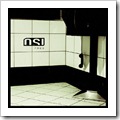
OSI Free10. Free, by OSI, 2006
OSI’s first album, “Office of Strategic Influence” (2003) and their third album, “Blood” (2009) both could have made this list. For some reason, I’ve chosen their second album to represent this impressive body of work. Fans of Dream Theater were put off by OSI’s first album, expecting a DT-like experience, since Kevin Moore was previously the keyboardist with Dream Theater, and the drummer was Mike Portnoy (Dream Theater’s drummer). But this music is very different, being a whole new hybrid of post-metal and electronica. The band is actually led by Moore and Jim Matheos (Fate’s Warning), and they have come up with a new and experimental sound that is unlike anything else out there. To compare OSI with Dream Theater is like comparing apples to oranges.

TRANSATLANTIC-The whirlwind.9. The Whirlwind, by Transatlantic, 2009
After a prolonged time since their last getting together when they made “Bridge Across Forever” in 2001 (see #12 above), Neal Morse, Mike Portnoy, Pete Trewavas, and Roine Stolt gave us the incredible gift of “The Whirlwind.” This is an epic story both musically and lyrically, a magnum opus with eschatological undertones but with hope in the midst of suffering. Transatlantic has placed themselves in the upper echelon of the great rock supergroups of all time. How good are they? Good enough for me to drive eight hours to Philadelphia to see them live in concert back in April. What a show! After they played this entire album through, they took a break for intermission and then played songs from their first two albums. Before leaving the stage for intermission, a sweaty Mike Portnoy stood next to his drumkit and said, “Well, that was our first song. How’s that for an epic? A 75-minute opening song!”

peter gabriel - up8. Up, by Peter Gabriel, 2002
What can I say? Peter Gabriel is the man! “Up” was his last full album (he contributed several tracks to “Big Blue Ball” (2008) and his latest album, “Scratch My Back” (2010) is a covers album). At over 50 years of age, he shows the rest of his former bandmates in Genesis how it’s still done. He is always “progressive” in that every track is inventive and pushes the boundaries (yet with the incredible knack of keeping us with him with an accessibility that is uncanny). How I wish he would have joined the rest of Genesis for the reunion tour in 2007!

Porcupine_Tree_The_incident7. The Incident, by Porcupine Tree, 2009
After the disappointing “Fear of a Blank Planet” (2007), I was wondering if I was “Porcupine Treed Out” after having consumed so much of Steven Wilson’s music over the past decade. Therefore, when “The Incident” came out, I had lower expectations than for that previous album, and the first couple listens had me confused as to what Wilson was up to here. Some songs were only a minute and a half long! As soon as I was getting into it, the song would switch to the next track. Then I figured it out: The entire CD is meant to be a single composition, with musical themes repeating here and there throughout the album. Some tracks were indeed set-ups for the next track, and several tracks were meant to be considered together as a single entity. Oh! I get it! And, with that, I was amazed. “The Incident” is evidence of Steven Wilson’s musical genius. And it is also evidence that the iTunes era of downloading single tracks is sad, because this album is meant to be heard in its entirety.

Neal_Morse_V_Testimony_R_Front6. Testimony, by Neal Morse, 2003
The first album for Morse after leaving the band he founded, Spock’s Beard, for a more clearly Christian slant, this is a very personal and amazing album, telling the story of his struggle to seek fame and fortune as a musician and getting caught up in the party lifestyle of California rock music. All the while, Jesus was reaching out to him (“Sleeping Jesus”) while he was still feeling the influence of “The Prince of the Power of the Air.” He met his future wife, a devout Christian, and he was moved by the love of Christ found in the small country church near Nashville that she attended. This is an epic, 2-CD testimony of Neal Morse’s conversion, with elements of Kansas, Yes, Genesis, Gentle Giant, Dream Theater, The Beatles, and classical music. This CD has a special place in my heart, I listened to it a lot while recovering from the aortic dissection that nearly took my life in 2006., it was the soundtrack to my worship of God in sparing my life. I told Neal this at an after-concert meet and greet, and he was visibly moved by my testimony about his “Testimony.”

frost15. Milliontown, by Frost*, 2006
Frost* debuted with one of the most impressive CDs of the decade. In 2004, Jem Godfrey, a multi-talented musician who has made a name for himself in the UK as producer of many top radio hits, decided to try his hand at Progressive Rock. Milliontown is an extremely listenable symphonic progressive rock album. Melodies are the centerpiece, with progressive rock changes in time signatures. For fans of classic Genesis, a must have. There are also shades of latter-day Peter Gabriel.

neal_morse_ONE4. One, by Neal Morse, 2004
This is the quintessential Neal Morse album. “One” tells the sweeping tale of the original union of humanity with God, followed by disastrous separation, but then culminated in a glorious reunion  This album features not only the tremendous artistic diversity of Neal Morse (vocals, keys, guitar), but also the superior drumming of Mike Portnoy (formerly of Dream Theater) and the legendary guitar skills of Phil Keaggy (who also sings a duet with Morse on one song). Think of the best of prog legends Pink Floyd, old-school Genesis, Kansas, and Yes, and add in the best of Rich Mullins or Michael W. Smith from the Christian sector, then add the kind of rock-opera feel that Trans-Siberian Orchestra has accomplished with their Christmas albums… and on top of all that, add the pop-music sensibilities and sophistication of The Beatles at their creative height and you are just scratching the surface of what you’ll be hearing. Read my full review here.

Porcupine Tree In Absentia CD3. In Absentia, by Porcupine Tree, 2002
With three albums in the top 20, the band of the decade was Porcupine Tree. They have single-handedly redefined the genre with a mix of ambient atmospheres, catchy melodies and hooks, complex time signatures, aggressive guitar and percussion, and story-telling lyrics. “In Absentia” is PT’s most approachable CD. The opening songs (“Blackest Eyes” and “Trains”) epitomize the PT sound with hints of Radiohead, while “Gravity Eyelids” harkens back to their days when they were called the new Pink Floyd.

Ayreon_-_Human_Equation2. The Human Equation, by Ayreon, 2004
Along with his side projects Star One, Guilt Machine, Ambeon, and Stream of Passion, Arjen Anthony Lucassen’s primary musical project has been Ayreon, a series of CDs dating back to 1995 with The Final Experiment and ending with 2008’s 01011001. All the albums in the Ayreon catalog have been incredible and worthy of their own place on “Top Albums” lists, but The Human Equation is simply one of the finest albums ever produced. It tells the story of a man in a coma after a car crash, interacting with his emotions after the betrayal he experienced when he caught his best friend kissing his wife. What makes this particular album unique is that each of his emotions is anthropomorphized and given a specific vocalist – eleven vocalists are employed, singing the parts of “Reason,” “Love,” “Pride,” “Agony,” etc. The 2-CD concept album never gets old or tedious because of the eclectic styles that Lucassen is capable of creating. At times, the music reminds you of something from Pink Floyd, then it sounds like Genesis, and then it sounds like a wonderful mix of Yes with Dream Theater. The artists that Lucassen recruited to sing and perform on this album are all amazing, and the his production genius is amazing.

SBSnow1. Snow, by Spock’s Beard, 2002
Neal Morse’s final album at the helm of the band he founded is a rock opera masterpiece. It’s too bad that he left the band after it’s release; I would loved to have seen this album performed live. Morse went on to a fantastic solo career, while the band went forward with uneven results (understandable, since Neal Morse was the creative force behind the band for its first six albums). Morse is also one of the masterminds behind the Prog supergroup Transatlantic. “Snow” is the story of a young man whose called this nickname due to his pale complexion. Snow leaves his small town for New York, where he discovers his supernatural powers to feel the pain of the people he encounters and the ability to heal them. This is a very moving album – the Christian allegory is real but it is subtle. The music moves effortlessly from the influence of Genesis to Yes to The Beatles to Gentle Giant to Kansas. There are wonderful ballads and hard-edged rockers. There are excursions into magnificent instrumentals that showcase the band's excellence as players (especially Morse, who provides vocals and plays piano and acoustic guitar). This 2-CD concept album moved Morse into the upper-echelon of composers; with this album he developed the ability to create a complex yet cohesive album with repeated themes to tie things together and catchy melodies and hooks for individual songs that are worthy of radio airplay.

genesis-remastered
Special Honorable Mention:
The new 5.1 Surround Sound and Stereo Masters of the Genesis Catalog (2007). I have long been a fan of this band, especially of their music from when Peter Gabriel was the lead singer (1969-1975) up through 1982 when Phil Collins was lead singer but they remained a leading progressive rock innovator. Tony Banks, Mike Rutherford, and Steve Hackett are far too often overlooked in favor of the bigger-than-life frontmen, but they are the heart and soul of this music. These CDs are not just re-mixes, but entire re-masters. To hear old albums like “Nursery Cryme” (1971) brought to new life is just amazing. Wow. Just wow.
-

1/21/2011

Jubilee Topics and Speakers


Jubilee Conference: It Could Change Everything

The CCO’s annual Jubilee Conference offers speakers on a wide variety of topics and interests. Here are some of the topics and speakers for Jubilee 2011, February 18-20 in Pittsburgh:
Engaging and Creating Culture
Soong-Chan Rah is the author of The Next Evangelicalism, on the changing face of American Christianity and on the cultural captivity of the American evangelical church.
Gabe Lyons is the co-founder of Catalyst and founder of “Q,” a learning community that mobilizes Christians to advance the common good. Co-author of the must-read book, UnChristian: What a New Generation Really Thinks About Christianity and Why It Matters, Lyons is a respected voice for a new generation of Christians, being featured by CNN, The New York Times, Newsweek, and USA Today.
David H. Kim is the Director of the Gotham Initiative at Redeemer Presbyterian Church in Manhattan, and he runs an intensive leadership development fellowship for young professionals who seek to live out their faith meaningfully through their work in the City. Before directing Gotham, David started a campus ministry at Princeton University called Manna Christian Fellowship and served as the executive director for over 15 years.  David was convinced that the heart and the head shouldn’t be separated, especially on the campus, and Manna has developed into a ministry that develops and engages a gospel worldview focusing on how the gospel renews both private and public worlds.
Rob and Kirstin Vander Giessen-Reitsma are co-founders of the non-profit organization *culture is not optional. They formed *cino in 2001 when they realized that others shared their post-college sense of isolation and desire to keep learning in community how to live faithfully in the everyday stuff of life. *cino’s work has extended to a bi-weekly online magazine called catapult, the biennial Practicing Resurrection conference, a quarterly print publication called road journal and a growing series of topical books that includes Eat Well: A Food Road Map and Do Justice: A Justice Road Map. In 2009, *cino purchased an historic 27,000 square foot school in Three Rivers, Michigan, to renovate as a center for intergenerational education, service and imagination.
Anne Jackson is an author, speaker and activist who lives in the Nashville area. Her book, Mad Church Disease: Overcoming the Burnout Epidemic (Zondervan), was released in February 2009. Her newest book, Permission to Speak Freely: Essays and Art on Fear, Confession and Grace came out this year to rave reviews. Her most requested topics include: The Power of Confession, God’s Heart for the Poor, Using Social Media for Social Justice, Avoiding Burnout by Becoming Spiritually Connected, and Healing from the Shame of Pornography Addiction.
Jason Locy is Principal of FiveStone, a brand and design firm. As a sought-after Creative Director, he helps organizations move from standard marketing hype to long-term sustainable strategies. Jason’s marketing campaigns have garnered national attention, and numerous national and international design publications have featured his work. While working with one foot in mainstream culture and the other in the church world, Jason observed firsthand how society has influenced the church. This led to his first book (written with Tim Willard), Veneer: Living Deeply on a Surface Society, a cultural theology that examines how the Language of Culture affects humanity and what our Christian response should be.
Tim Willard is a freelance writer, musician, and theology student. He writes articles, collaborates with best-selling authors and has served as the small-group study editor for organizations such as Catalyst, Q and Chick-fil-A Leadercast. The book he co-wrote with Jason Locy, Veneer: Living Deeply in a Surface Society explores how God’s idea of humanity is quite different from the world’s. It is also far more rewarding. This life begins when we dare to strip away our veneers and enter a life of freedom, honesty and rare beauty.
B.J. Woodworth is the lead pastor of The Open Door, a five-year-old PCUSA missional church community in Pittsburgh’s East End. He serves the community by being a visionary guide, worship choreographer, mission equipper, community catalyst, and prophetic poet. B.J. is also the abbot of World Christian Discipleship (WCD) at Pittsburgh Theological Seminary, a year-long, missionally-contemplative communal experience in spiritual and vocational formation for young adults.
Denise Frame Harlan completed an MFA in Creative Writing through Seattle Pacific University acclaimed low-residency program, while parenting and working as a blog moderator for More magazine. She now teaches The Great Conversation, a course on reading, writing and thinking for incoming students at Gordon College in Wenham, Massachusetts. Denise wrote as essay for The Spirit of Food: 34 Writers on Feasting and Fasting Toward God, edited by Leslie Leyland Fields, featuring writing and recipes by Wendell Berry, Andre Dubus, Lauren Winner and Luci Shaw. Denise writes regularly for Catapult and Comment magazines, for The Englewood Book Review, and for crafting magazines such as Interweave Spin-Off and Living Crafts.
Eric Dolce currently serves as campus minister for the CCO (Coalition for Christian Outreach) at Prince George’s Community College in Largo, Maryland. He is also a staff member at The New Macedonia Baptist Church, where he leads the Youth and Young Adult Ministry. Eric’s passion for connecting faith in Christ to all areas of life led to his 2007 book, Jesus and Jigga: Where Hip-Hop Meets Scripture.
Biblical Christianity for the 21st Century
James Emery White is the founding and senior pastor of Mecklenburg Community Church in Charlotte, North Carolina; President of Serious Times, a ministry which explores the intersection of faith and culture and hosts churchandculture.org; ranked adjunctive professor of theology and culture on the Charlotte campus of Gordon-Conwell Theological Seminary, which he also served as their fourth president; and author of over a dozen books which have been translated into ten languages, including Gold Medallion nominees Serious Times and A Search for the Spiritual, Christianity Today book-of-the-year award winner Embracing the Mysterious God. His most recent publications include A Mind for God and Christ Among the Dragons.
Anthony Bradley is associate professor of theology at The King’s College in New York City and a research fellow at the Acton Institute. He studies and writes on issues of race in America, hip hop, youth culture, issues among African Americans, the American family, welfare, education, and modern international forms of social injustice, slavery, and oppression. His dissertation explores the intersection of black liberation theology and economics.
Kyle Bennett teaches philosophy and theology at Azusa Pacific University, in Azusa, California and Providence Christian College in Pasadena, California. Prior to teaching, Kyle was a youth and associate pastor at a church plant in Orlando, Florida. Kyle has written for Religious Studies Review, Comment Magazine, and Evangelical Interfaith Dialogue, and presented at conferences such as the American Academy of Religion and the College Board Annual AP Conference. Kyle is a member of the Southern California Faith and Order Commission and in 2007 was an Emerging Leader Representative at the Christian Churches Together Conference.
History
John Fea is Associate Professor of American History and Chair of the History Department at Messiah College. He is the author of Was America Founded as a Christian Nation: A Historical Introduction and writes extensively at The Way of Improvement Leads Home.
Eric Metaxas is the New York Times bestselling author of two critically acclaimed biographies: Bonhoeffer: Pastor, Martyr, Prophet, Spy—A Righteous Gentile vs. the Third Reich and Amazing Grace: William Wilberforce and the Heroic Campaign to End Slavery. Metaxas is not only a serious biographer, he has also written for VeggieTales!
Architecture
Mel McGowan is president and founder of Visioneering Studios, an awarded global church architecture, urban planning, and interior design firm with national offices in Southern California, Denver, Chicago and Charlotte
The Arts, Music, Film, and Dance
Leigh Ann Dull has worked with Campus Crusade for Christ for almost 25 years on college campuses across the United States and overseas in Hungary, Spain and Mongolia. Since January 2005, she has served as the director of transFORM Arts Ministry NYC, and also works part-time with the International Arts Movement, facilitating church and para-church partnerships.For the past six years, she has directed a summer 5.5-week program for art/creative students in New York City, where they focus on the integration of art and faith. Leigh Ann seeks to help artists/creatives engage their art and their faith and pursue both with excellence.
Alissa Wilkinson worked as a business analyst on Wall Street, edited a technical magazine at New York University, founded The Curator, and developed programs and resources at International Arts Movement before accepting a full-time faculty position teaching writing at The King’s College in New York City. She has been associate editor of Comment since 2008, and her articles and film criticism have appeared in a variety of publications including Christianity Today, Paste, The Globe & Mail, WORLD, Relevant, and Prism.
Emily SoRelle Adams is a freelance dancer and teacher based in New York City. , Emily has been blessed with the opportunity to work with several companies, including the Metropolitan Opera, New Chamber Ballet, Rebecca Kelly Ballet, CT Ballet and Eglevsky Ballet. She is a member of Redeemer Presbyterian Church, where she was one of the founding leaders of the Dancers Vocational Group, a ministry of the Center for Faith & Work.
Kenyon Adams is a singer, songwriter and actor with a passion to see artists living out their kingdom callings, in community. He was named a White House Presidential Scholar in the Arts under Bill Clinton, and received a BFA in Theater from Southern Methodist University, Meadows School of the Arts, where he received the Greer Garson Foundation Award for Acting. He currently serves on the Alumni Board for the National Foundation for the Advancement in the Arts.
Zach Williams is a singer/songwriter, listen to some of his songs from his album “Story Time” at MySpace. http://www.myspace.com/zacharywilliams
Colonizing the Cosmos is an indie-folk band that has gained the accolades of listeners, press and radio, all consistently noting the “other-worldly” nature of their dense tunes, catchy melodies, and clever, honest writing.
Charlie Peacock is a Grammy Award-winning, multi-format songwriter, publisher, record producer, and filmmaker. His credits include Brooke Waggoner, Ten Out of Tenn, Switchfoot, Sixpence None The Richer, among hundreds. Film and TV music credits span from Fame in the 1980s to current shows like Vampire Diaries and Pretty Little Liars. A long-time advocate for social justice, Peacock continues to work directly with International Justice Mission and The ONE Campaign, a fruitful relationship that began in 2002 when he hosted co-founder Bono and, later, ONE President David Lane, putting them in front of Nashville’s artist community.
Jeffrey Overstreet has written weekly film columns and reviews for Christianity Today, helped establish ArtsandFaith.com, and contributed articles to Paste, Books and Culture, The Curator, Relevant, and Image. Currently, he contributes two film reviews to ImageJournal.org each month. He is the author of a “travelogue of dangerous moviegoing” called Through a Screen Darkly, as well as four fantasy novels: Auralia’s Colors, Cyndere’s Midnight, Raven’s Ladder, and The Ale Boy’s Feast.
Andi Ashworth is a writer (author of Real Love for Real Life: The Art and Work of Caring), gardener, cook, lover of good books, and has recently finished her Master of Arts in Theological Studies. She, along with her musical husband, Charlie Peacock (Ashworth), are the Co-Founders/Executive Directors of Art House America, with branches in Nashville and Dallas, Texas. The Art House America mission is to contribute to the making of artists and artful people who become highly imaginative and creative culture-makers, who continue to mature spiritually, love well, and make the kingdom of God visible.
Ken Heffner is Director of Student Activities and Director of the Festival of Faith and Music at Calvin College, a Christian college in Grand Rapids Michigan. Calvin has a weekly concert series which has included Lupe Fiasco, Joanna Newsom, Sufjan Stevens, The Decemberists, Iron and Wine, Mavis Staples and Switchfoot, to name a few.
Sports
Daniel Sepulveda is the Super Bowl-bound punter for the Pittsburgh Steelers. He shares the joys and frustrations of pursuing sports as an profession.
Public Policy, Justice, and Politics
Lisa Sharon Harper is the author of Evangelical Does Not Equal Republican…Or Democrat, co-founder and Executive Director of NY Faith & Justice, President of National Faith & Justice Network, and a Board Member for New Evangelical Partnership for the Common Good.
Michael J. Gerson is a nationally syndicated columnist who appears twice weekly in the Washington Post. He is the author of Heroic Conservatism and co-author of City of Man: Religion and Politics in a New Era. Mr. Gerson serves as Senior Advisor at ONE, a bipartisan organization dedicated to the fight against extreme poverty and preventable diseases, and he is the Hastert Fellow at the J. Dennis Hastert Center for Economics, Government, and Public Policy at Wheaton College in Illinois.
Gideon Strauss, a native of South Africa, now serves as Chief Executive Officer for the Center for Public Justice. He worked as an interpreter for the South African Truth and Reconciliation Commission (under Anglican Archbishop Emeritus Desmond Tutu). He was an advisor to the South African constitutional assembly on the language clauses in the founding provisions and bill of rights included in the 1996 Constitution of the Republic of South Africa. Strauss also served as a Senior Fellow at the think tank Cardus (previously known as the Work Research Foundation), and as editor of the electronic and print journal Comment, which seeks to communicate a Christian worldview and cultural strategy to the next generation of cultural leaders. He is currently working on a book tentatively titled Wonder, Heartbreak and Hope, on reading the Psalms in devotional preparation for social action.
Robert Joustra is the editor of Cardus, Policy in Public, a regular writer with Comment and a lecturer in international politics at Redeemer University College. He is editor, with Jonathan Chaplin, of God and Global Order: The Power of Religion in American Foreign Policy.

Brian Harskamp is the Director of Development at Cardus, a North American public policy think tank making technical arguments for religion in the public square. Brian has a BA in business from Redeemer University College and an MBA in Strategic Marketing from McMaster University. In addition to his work at Cardus, Brian serves on the Redeemer University Board of Governors, is the President of the Canadian Club of Hamilton, and speaks across Canada on various topics including generosity, charitable branding, and career preparation

Mathematics
Anthony Tongen teaches college mathematics and emphasizes including college students in research, both inside and outside the classroom. In addition to writing a book called Keeping it R.E.A.L., about undergraduate research in the classroom, he was recently a contributing author to Mathematics through the Eyes of Faith.
Literature
Jeffrey Overstreet is the author of as four fantasy novels: Auralia’s Colors, Cyndere’s Midnight, Raven’s Ladder, and The Ale Boy’s Feast. He is also a film critic, writing articles to Christianity Today, Paste, Books and Culture, The Curator, Relevant, Image, and ImageJournal.org. He is also the author of the book, Through a Screen Darkly, which he describes as a “travelogue of dangerous moviegoing.”
Jonathan Weyer is the author of the recently-released novel, The Faithful, which the Midwest Review of Books calls “a stunning debut novel.” The novel follows the story of a minister’s crisis of faith as told through a ghost story. Jonathan also has just completed a nonfiction book about his time working with atheists at The Ohio State University. Together with the atheists, Jonathan won a Multicultural Award from the university for their joint discussion groups on campus.
Science
Curt Thompson, M.D., is a psychiatrist in private practice in Falls Church, Virginia and founder of Being Known, which develops teaching programs, seminars and resource materials to help people explore the connection between interpersonal neurobiology and Christian spirituality which lead to genuine change and transformation. Dr. Thompson is the author of Anatomy of the Soul (Tyndale, June 2010), which demonstrates how insights from interpersonal neurobiology resonate with biblical truths about God and creation—validating the deep human need for meaningful relationships as a key to a life of hope and fulfillment.
Education
Justin Cook serves as Head of the Languages Department at Hamilton District Christian High School in Hamilton, Ontario. Justin loves learning, moments of epiphany breathed into the mundane. In his classes, he hopes to cultivate a communal “narrative intelligence and imagination” as a way to organize life for meaning. Previous student editors from his writing class say it this way: “In reading and writing, we discover our own voices, the voices of others, and of Love itself.”
Greg Veltman and his wife, Andrea, live in Grand Rapids, Michigan. Together they are mentors at Nizhoni House, one of five Project Neighborhood programs run through Calvin College. Nizhoni is an off-campus, intentional living-learning community which practices the presence of place to love and serve neighbors and neighborhoods for the renewal of the city. Greg is currently pursuing a Ph.D. at the University of Pittsburgh, with a focus on the philosophy and sociology of education. He has taught Social Foundations of Education at the University of Pittsburgh and Grand Valley State University, as well as sociology and the humanities at Geneva College. Greg loves conversations at the intersection of higher education and culture, as well as engaging and discerning popular film and music.
Racial Justice
Rodger Woodworth is the founding pastor to hundreds at an inter-racial church called New Hope in the North Side of Pittsburgh. Rodger is also President of New Hope’s community development corporation and the Director of Cross-Cultural Ministries for the CCO (Coalition for Christian Outreach). He writes a blog called cross-cultural convergence, is an adjunct seminary professor at RPTS with a Doctorate of Ministry in Complex Urban Settings and serves on the Board of Directors for the Center for Urban Ministerial Education.
Eric Mason is the co-founder and lead pastor of Epiphany Fellowship in Philadelphia, Pennsylvania. He has spoken at Life Way 2009, Moody Bible College, Campus Crusades Conference, and The Desiring God Conference for Pastors with John Piper Ministries.
Samuel Chez is in his 13th year on CCO (Coalition for Christian Outreach) staff and currently serves as the Vice President for Strategic Partnerships. A native of New York City, born to a Cuban mother and Dominican father.
Curt Wright, as campus ministry staff with CCO at Penn State Altoona for three years was a part of a ministry that grew tremendously in numbers and in diversity. While working for the CCO, Curt finished his Master of Arts in Higher Education degree from Geneva College, and his capstone work focused on racial diversity in campus ministry fellowship groups.
Creation Care / Environmental Stewardship
Jonathan Merritt is a faith and culture writer who has published over 200 articles in respected outlets such as USA Today, The Atlanta Journal-Constitution, BeliefNet, Christianity Today, The Huffington Post, and CNN.com. He is author of Green Like God: Unlocking the Divine Plan for Our Planet (2010), which Publisher’s Weekly called “a must-read for churchgoers,” and the editor for QIdeas.org. As a respected Christian voice, he has been interviewed by ABC World News, NPR, PBS’ Religion and Ethics Newsweekly, Fox News, The New York Times and The Washington Post.
College Life for the Christian
Walt Mueller is the founder and President of the Center for Parent/Youth Understanding, a non-profit organization serving schools, churches, and community organizations across the US, Canada, and worldwide in their efforts to strengthen families by helping those who know and love kids to understand today’s rapidly changing youth culture. A prolific author, he has written The Space Between: A Parent’s Guide to Teenage Development; Youth Culture 101; Opie Doesn’t Live Here Anymore: Where Faith, Family, and Culture Collide; Engaging The Soul of Youth Culture: Bridging Teen Worldviews To Christian Truth, I Want To Talk To My Teen About Movies, Music & More and the critically acclaimed Gold Medallion Award winner, Understanding Today’s Youth Culture.
Derek Melleby is the director of the College Transition Initiative, a ministry of the Center for Parent/Youth Understanding and the CCO (Coalition for Christian Outreach). He is author of Make College Count: A Faithful Guide to Life and Learning (Baker Books) and coauthor of The Outrageous Idea of Academic Faithfulness (Brazos Press).
Stephen Lutz is a campus minister with CCO (Coalition for Christian Outreach) at Penn State in University Park, Pennsylvania, and Director of Life Groups with Calvary Church. He has recently completed a book on missional ministry to (and for) emerging adults, which Alan Hirsch calls “an intensely practical, and theologically substantial orientation on what it means to do campus ministry in 21st Century America.” Steve has helped start campus ministries, a church, and is the founder of Commontary.com, a ministry which provides access to free biblical resources.
Erica Young Reitz serves as the director of campus ministry at a Calvary Church, reaching out to students at Penn State University in partnership with the CCO. Whether in the context of the local church or on campus, Erica helps students connect faith with real life. She, along with a team of church members, leads Faith for Thought, an annual conference where people come together to explore connections between Christian faith and everyday life.
Global Justice
Bob Goff is a highly influential attorney whose deep passion for justice led him to create Restore International, a nonprofit organization that endeavors to address atrocities and injustices throughout the world. He has an intense passion and vision for finding audacious ways to restore justice to children and the poorest of the poor. New York Times Best-Selling Author Donald Miller says this about Bob Goff: “[I’ve] met the greatest real-life storyteller I will, perhaps, ever know, a person who has forever adjusted my moral compass and destroyed all the bridges leading back to common life. That person is Bob.”
Kent Annan is co-director of Haiti Partners, a nonprofit focused on education in Haiti, where Kent has worked since 2003. His latest book, After Shock explores the implications of faith in the midst of suffering in wake of the historic earthquake in the fragile country of Haiti. Taking courage from the psalmists of old and the company of grieving neighbors, Kent has found that there is solidarity in suffering.
JR Kerr is both the Teaching Pastor at Park Community Church in Chicago and the co-founder of Aitreni Group, a hands-on consultancy which serves change agents. Park is a growing church in the Cabrini neighborhood of Chicago’s near North Side, reaching young professionals with the Gospel and living it out among those in need. The Aitreni Group serves as a liaison, connecting resources with influencers to impact humanitarian work and extend justice in the United States and around the world. Aitreni comes alongside innovative kingdom leaders as well as leaders of movements of change to serve them and catalyze their efforts to influence for the common good.
Jessica Patterson has been working with the Foreign Service since 2003, where she has served in Tel Aviv, Israel; Santiago, Chile; and in Washington as the Algeria Desk Officer at the State Department. In Tel Aviv, Jessica spent a year adjudicating visa applications and a year as the Ambassador’s staff aide, where she got to watch the events surrounding Israel’s disengagement from Gaza in 2005 from the inside. In Chile, she covered the transnational crime portfolio, working on issues ranging from trafficking in persons, drugs, and money laundering, to terrorist finance and intellectual property rights. She served in Washington as the Algeria Desk Officer, covering the range of issues that are important in the U.S.-Algeria bilateral relationship: counterterrorism, energy, nonproliferation, educational exchanges, among others. Secretary of State Hillary Clinton once stopped Jessica to compliment her on her suit. Jessica is now studying Pashtu, preparing for her next assignment in southeastern Afghanistan.
Business
William Messenger is the Executive Editor of the Theology of Work Project, Inc., an international organization which is researching, writing, and circulating materials about how the Christian faith can contribute to ordinary workplaces. Its materials are available at wiki.theologyofwork.org. From 1999 to 2008, Will was Director of the Mockler Center for Faith and Ethics in the Workplace at Gordon-Conwell Theological Seminary, and an adjunct faculty member there. While there, he led the seminary’s doctoral and master’s degree programs in workplace leadership business ethics.
Jason Locy is Principal of FiveStone, a brand and design firm. As a sought-after Creative Director, he helps organizations move from standard marketing hype to long-term sustainable strategies. Jason’s marketing campaigns have garnered national attention, and numerous national and international design publications have featured his work. While working with one foot in mainstream culture and the other in the church world, Jason observed firsthand how society has influenced the church. This led to his first book (written with Tim Willard), Veneer: Living Deeply on a Surface Society, a cultural theology that examines how the Language of Culture affects humanity and what our Christian response should be.
Charles Lee is the CEO of Ideation, a consultancy that specializes in helping organizations and businesses take ideas to implementation via innovative strategy, branding, design, marketing, web, social media, and creative event development. He is also a founding member ofJustOne, a nonprofit organization committed to addressing issues of poverty, orphans, and slavery. In addition, Charles is the creator of grassroots efforts including the Idea Camp, Ideation Conference, and the Freeze Project. Charles regularly speaks around the country on topics such as creativity, innovation, leadership, new media, and compassionate justice.
Patrick Colletti is President of Net Health Systems, Inc. At the peak of the dot.com days, he joined a startup whose Red-Bull-swigging, flip-flop culture quickly faltered, leading to lay-offs, substantial debt, and near collapse. From this, Patrick was appointed President, and he and a partner led a turn-around which included negotiating debt, re-focusing the product, and of course, wearing many hats simultaneously. The company that emerged (Net Health Systems, Inc.) is focused on healing the seven million people in the US with chronic, life-threatening, non-healing wounds often associated with Diabetes. Today, the company’s web-based Electronic Health Record (EHR), WoundExpert®, facilitates over three million patient treatments and supports reimbursement for $1 billion in services annually.
Mark L. Russell is the co-founder of Russell Media. He has a Ph.D. in Intercultural Studies from Asbury Theological Seminary, a Master of Divinity from Trinity Evangelical Divinity School and a Bachelor of Science in International Business from Auburn University. Mark is a frequent public speaker and has spoken at numerous conferences, including InterVarsity’s Following Christ, Urbana Missions Conference, and the Origins Project. He has worked as a consultant for a diverse set of organizations from large multinationals to microfinance institutions and has published over 100 academic and popular level publications. Mark is a member of the Theology Working Group of the Lausanne Movement and a member of its Government, Business and Academy Think Tank. He is the author of The Missional Entrepreneur: Principles and Practices for Business as Mission, the coauthor of Routes and Radishes and Other Things to Talk About at the Evangelical Crossroads and editor and publisher of Our Souls at Work: How Great Leaders Live Their Faith in the Global Marketplace, a book with contributions from several Fortune 500 CEOs, as well as a variety of emerging social entrepreneurs.
Paul Estridge, Jr. has been in the home building business in the Indianapolis area his entire life, having come from a family of homebuilders. In 1967, Paul’s father founded Paul E. Estridge Corporation, a home builder known for their high quality custom homes. In 1983, Paul Jr. started his own home building company, The Estridge Group, with the mission “to build quality homes in neighborhoods designed for families.” In March 2009, Paul and The Estridge Companies led ABC-TV’s Extreme Makeover: Home Edition project for a deserving family in Indianapolis. While a single father and his three sons were the recipients of the new home, the entire Martindale-Brightwood neighborhood was transformed by the project due to Estridge’s insistence that the project be larger than just one home.
Ryan O’Dowd is Senior Visiting Lecturer of Aerospace Studies at Cornell University, where he also leads students in the Air Force Reserve Officer training program. The flip side of his life is theology, having previously taught biblical studies and social justice at Briercrest College and Redeemer University College in Canada. After graduation from the U.S. Air Force Academy where he earned a BS in biology (with 30 hours of engineering courses), he spent seven years as an Air Force officer working in areas of fitness research, logistics, space operations, software testing, and laser systems development. He then entered seminary, earning an MA from Reformed Theological Seminary and a PhD from the University of Liverpool in England. Ryan’s main academic interests and publishing are in biblical wisdom and law. His books include The Wisdom of Torah: Epistemology in Deuteronomy and the Wisdom Literature (Vandenhoeck and Ruprecht, 2009) and, with Craig Bartholomew, Old Testament Wisdom Literature: A Theological Introduction (InterVarsity Press) expected out in the spring of 2011. Biblical wisdom, of course, relates to the whole of human life, so it is a natural place for Ryan’s eclectic life to find a home.