
In my last post, I made the contention that the gospel solves a predicament of cosmic proportions. The first cosmic predicament I suggested we look at in the Scriptures (I have more to come) is the LACK of SHALOM. God created the earth in perfect shalom peace—a place where there is justice, joy, universal flourishing, wholeness, and delight. “God saw all that he had made, and it was very good” (Gen 1:31).
But then the next part of the biblical story happened: Evil entered into the place of Shalom. The earthly realm was unaffected by evil until the serpent (the embodiment of Satan) tempts humanity to sin. This is why we are in the predicament. Humanity was given the mandate to “rule” or “have dominion” because humanity alone is created in the “image and likeness” of God. Satan knows that if he can succeed in tempting these humans (God’s crowning achievement and the only ones with God’s authority to rule this Creation) to think they can be more than the glory of being God’s image and convince them not to trust God and his command to them (the serpent’s lie is this: “For God knows that when you eat of it your eyes will be opened, and you will be like God, knowing good and evil”), that he will destroy the Shalom that God has made. It is because humanity sins that the entire good earthly realm is subjected to futility and bondage (Gen 3:14, 17-18; Rom. 8:20-21). Satan gained control only by first controlling humanity. The earth’s fallen condition is the result of Satan's evil intentions and humanity’s failure to trust God’s good intentions. The fall is ultimately humanity’s responsibility, and it resulted in the triad evil that now holds the planet in bondage: The "devil" (an actual person who is the ruler of this present age), the "flesh" (our individual sinful nature), and the "world" (the systemic evil in society).
The reason the Creation no longer experiences God’s intention of pure Shalom Peace is that humanity’s sin has created a state of bondage for all of Creation. Bondage is a major issue in Scripture – where there is bondage, there is no shalom. (In this post, I am not denying other ways to describe the predicament that the Gospel addresses; I am just asking us to think within the flow of this storyline for a while.) Because of the sin of humanity, we forfeited our rightful place of authority on earth as God’s image-bearers and that authority was given to the evil one (Satan has been given the authority of all the kingdoms of the world [Luke 4:6] and is called the “god of this age” [2 Cor 4:4]).
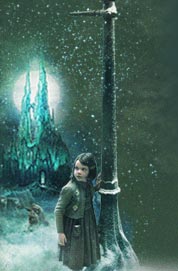 C.S. Lewis understood this. In his classic children’s story, The Lion, the Witch, and the Wardrobe, the main plotline is that Narnia is held bondage to the evil one (in Lewis' story, it is the White Witch), and so in Narnia it is “always winter but never Christmas.” The rightful Ruler of Narnia, Aslan (the Christ figure), has been usurped by the evil one. So, the story is how Aslan ordains that four human beings (Peter, Susan, Edmund, and Lucy) will be his instruments to overthrow the evil one’s grip on Narnia. A subplot finds that when Edmund betrays the others, Aslan sacrifices his life to redeem him (as his substitute). When Edmund is restored, he co-leads the battle against the evil army led by the evil witch. When the victory is won, the four humans are placed upon thrones to rule over Narnia. Lewis tells the story of the cosmic battle of Kingdoms -- Who will rule Narnia? The evil White Witch or Aslan and his vice-regents, the four humans? It is the story of the Gospel of the Kingdom of God that Jesus, the Messiah of the world, proclaimed.
So, here we have it. The key to understanding the Gospel is to truly understand the meaning of the Messiah. The Messiah, Israel’s Anointed King, has an ultimate purpose: that is, to free his Creation from its bondage to Satan, Sin, and the World.
____
In the next couple posts, we will explore how the Christ freed the Creation from bondage through another Exodus event, and how he reconciled the people to God thus re-establishing Shalom between the Creation and the Creator.
Links to the entire series:
1: Define the Predicament, and You Understand another Facet of the Gospel
2: Predicament #1: The Lack of Shalom
3: Evil Bondage in the Place of Shalom
4: EXODUS and the GOOD NEWS of FREEDOM in Paul
5: EXODUS and the GOOD NEWS of FREEDOM in the GOSPELS
6: Another of Humanity’s Predicaments: Broken Relationships
7: The Prophesied Kingdom of God
8: The Kingdom of God Restoring Israel from Exile
9: The Kingdom of God Healing Broken Relationships
10: The Kingdom of God and the Atonement
11: The Kingdom and the Mission of God’s People
12: What is my view of the Kingdom of God?
technorati: emerging church, spiritual formation
 The Hebrew word for this is “Shalom.” Nicholas Wolterstorff says that a society characterized by shalom combines peace, justice, and enjoyment of all relationships so that all peoples can flourish in their lives, and that they can also delight in their relationship with God
 I have to brag a little.
 This month’s cover of Christianity Today reads, “No Substitute for the Substitute.” The article ("
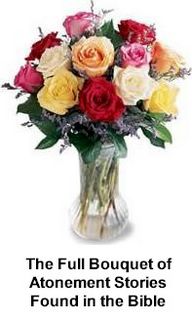 Each of these varying stories (and more, including the Reformational view of Penal Substitution) of the Atonement is found in the Bible, and each leads to faith in Jesus Christ. Each is a beautiful rose in the bouquet that encompasses the multi-faceted aspects of what Christ accomplished on the cross.
 colors, differing fragrances, differing textures, so that we can embrace the fullness of what Christ accomplished for us. The Atonement is so big and spectacular that it takes all these stories to capture its beauty. People are so different in the various cultures in this world and in their assorted life-situations that these diverse stories speak to them wherever they are and whatever they believe and however they need the grace of God.


 A friend of mine gave me a subscription to WORLD magazine, the conservative Christian weekly that Republican pundit

 I watched the first part of the new ABC production of